
A Will does not avoid probate
A Will provides instructions for your family to follow, but those instructions generally cannot be carried out until the Will has been approved through the probate court. The probate process is what grants the Personal Representative legal authority to carry out the Will's instructions and complete the estate.
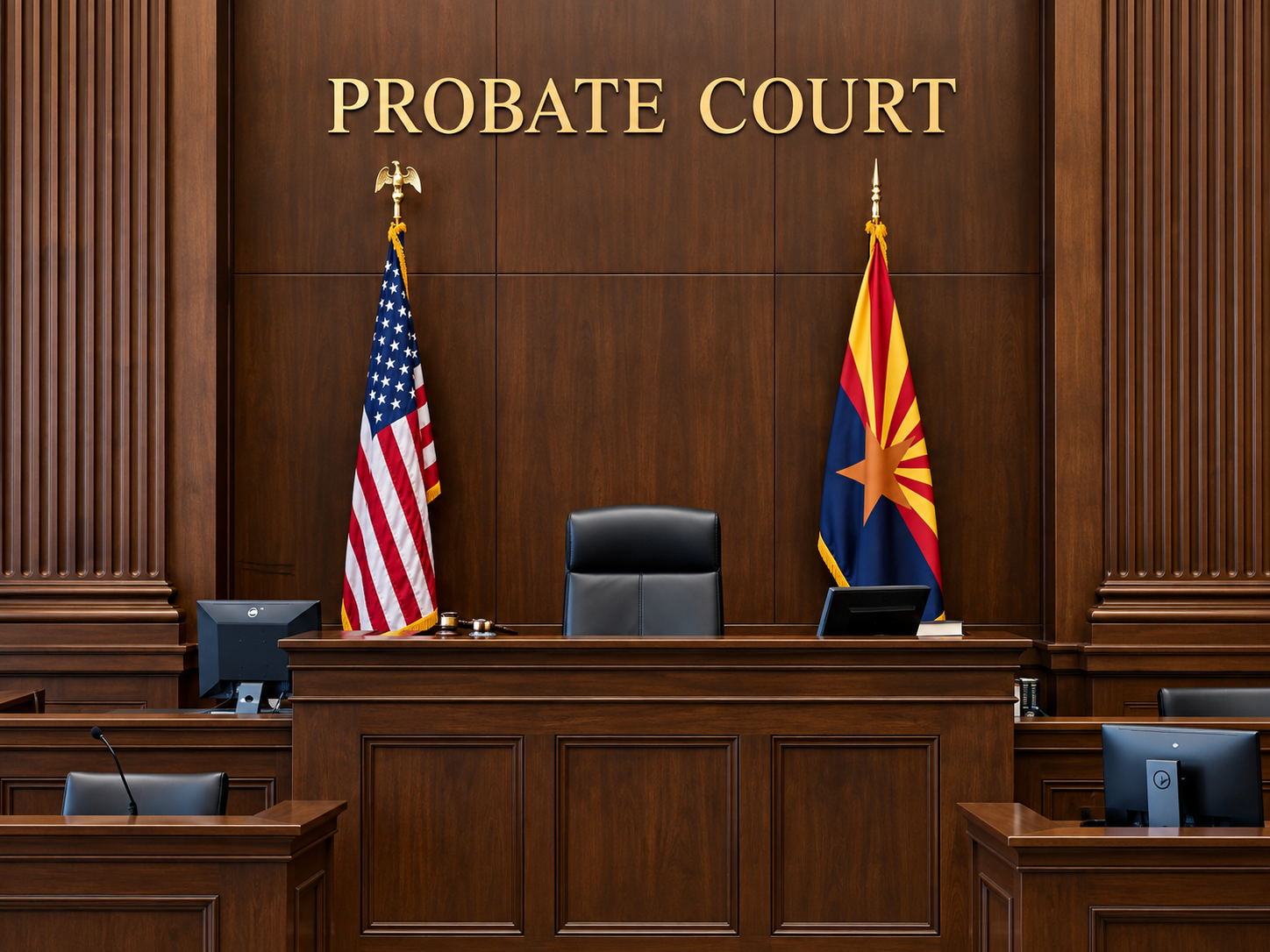
The Will gives direction. Probate provides the process.
A Will can be an important part of an estate plan, but the document itself does not transfer property or keep the estate out of probate court.
Gives instructions for the estate
A Will identifies the people you want to benefit, names the person you want to handle the estate, and provides direction for property that will pass through probate.
Carries those instructions through court
Probate is the legal process used to administer certain property after death. The court process establishes authority, addresses estate responsibilities, and allows property to be distributed when the estate is ready.
A Will tells the probate court what you wanted to happen; it does not replace the probate process.
Probate has required responsibilities
Probate serves an important legal purpose. It also means someone in the family may be working through a court process at a time when they are already dealing with a loss.
Someone must take responsibility
The Personal Representative may need to collect property, complete filings, provide notices, address obligations, and manage the estate while the process is underway.
The estate has required steps
Assets and responsibilities need to be identified and handled before the administration can be completed. Property generally cannot simply be distributed immediately.
Distribution comes after the work
Once the estate’s responsibilities have been addressed and the required process is complete, the remaining property can be distributed according to the Will or other applicable instructions.
Not every asset follows the same path
Property may pass through a Living Trust, a beneficiary designation, certain forms of joint ownership, or probate depending on how the asset is owned and how the estate plan is structured.
.png)
Ownership determines what enters the estate
Property owned individually without another effective transfer method may need to be handled through probate. Reviewing how each asset is titled is part of understanding the estate.
Some property may pass outside probate
Assets held in a properly funded Living Trust, assets with valid beneficiary designations, and certain jointly owned property may follow a different transfer process.
A Will is not the only thing that determines what happens next
The next steps depend on the documents, the way property is owned, and whether a Living Trust or another transfer method is part of the plan.
What if there is no Will?
If someone dies without a Will, property that requires probate may still go through the probate process. Instead of following written instructions in a Will, the estate is handled according to the law that applies to the situation.
A Will gives you the opportunity to leave your own instructions rather than relying on default rules.
What if there is a Living Trust?
Property properly held in a Living Trust is generally administered under the trust rather than through probate. The successor trustee still has work to do—understanding the trust, identifying and protecting assets, addressing responsibilities, and making distributions when the administration is ready.
Learn About Trust AdministrationYour family should know where to turn
The Personal Representative does not have to figure out the process alone. Our team helps families navigate probate and understand the next steps required to carry the plan through.
Understand the documents and the assets before taking action
Before property is sold, retitled, or distributed, the Personal Representative should be formally appointed and should understand the Will, how the assets are owned, and which responsibilities need to be handled first.