
A plan for the property, accounts, businesses, and resources you’ve spent a lifetime building
Your estate is more than a list of accounts. It may include your home, savings, investments, retirement assets, a business, agricultural property, family land, personal belongings, and other things that represent years of work.
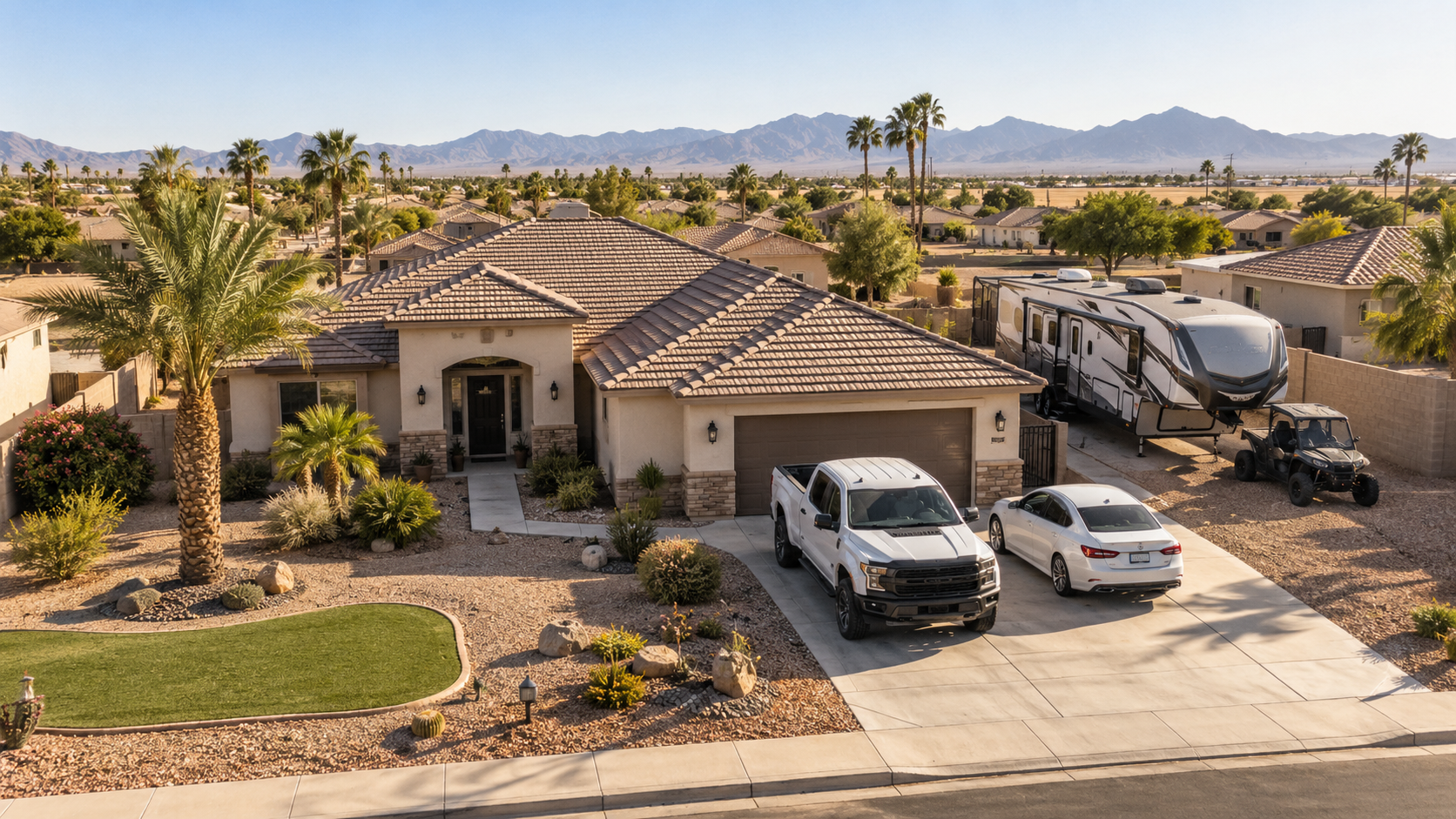
The plan has to account for the assets it is supposed to protect
Identifying what you own is only the beginning. Different assets may transfer in different ways, and those transfer rules need to support the same overall plan.
Some have financial value. Others have family value. Many have both. Your Estate Plan should coordinate what you own with what you want those assets to accomplish.
Trust and titled assets
Your home, other real estate, bank and investment accounts, business interests, vehicles, and other titled property may need ownership or title reviewed as part of the plan.
Beneficiary-designated assets
Retirement accounts, life insurance, and other beneficiary-designated assets may follow their own instructions rather than the instructions in a Will or Living Trust.
Joint ownership and other arrangements
Some property may transfer because of how it is jointly owned or because another transfer arrangement controls what happens to it.
Because the way an asset is owned can be just as important as what your Estate Plan says about it.
The documents tell the story. The assets have to follow it.
A well-written Estate Plan only works when the assets surrounding it are properly coordinated.
A Living Trust may contain detailed instructions for what should happen during your lifetime and after your death, but the trust cannot accomplish its purpose with an asset that has not been properly connected to the plan.
That is why Deason Garner & Sparks considers asset coordination and trust funding an essential part of comprehensive Estate Planning. We help identify how your assets fit into the plan and prepare the paperwork and instructions needed to help put that plan into place.
How Living Trusts Work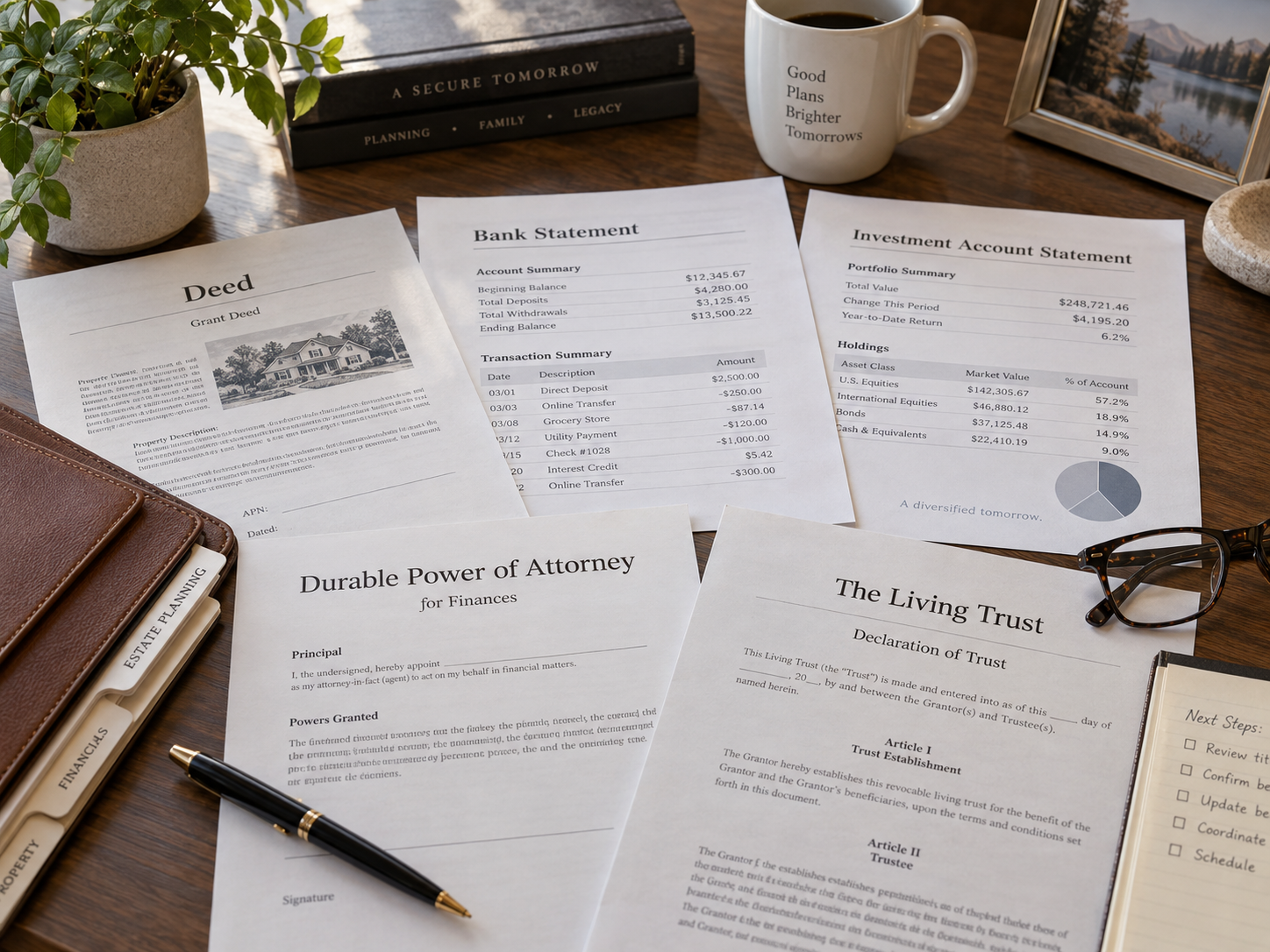
Real estate and beneficiary assets require different kinds of coordination
Your home and other real estate
Real estate may include your home, rental property, commercial property, agricultural land, vacation property, or property in another state.
Your plan should address how that property is owned, how it fits into the larger plan, and what should happen to it later. When a Living Trust is part of the plan, real estate may need to be properly titled or otherwise coordinated with the trust.
Saying what should happen to property and properly putting that property into the plan are two different steps.
Retirement accounts and beneficiary assets
Retirement accounts, life insurance, and other assets with beneficiary designations may pass differently from property owned by your Living Trust.
The important question is not simply, “Who is listed as the beneficiary?” It is whether that beneficiary arrangement accomplishes what you intended when considered with the rest of your Estate Plan.
Every asset should support the same overall plan—not accidentally work against it.
Transferring ownership does not automatically create a succession plan
A business, farm, or family property may be an asset, a source of income, a responsibility, and a legacy at the same time.
If you cannot run it
Who has the authority and practical ability to operate the business or manage the property if illness or incapacity prevents you from doing it yourself?
When ownership changes
Who should own it later? Who should manage it? Should ownership and day-to-day responsibility go to the same person? What if some family members are involved and others are not?
If continuation is not the right answer
A good plan can also prepare for a sale, a change in the next generation’s interests, or a future in which no family member wants to continue the operation.
Because keeping something in the family takes more than hoping the next generation will figure it out.
Leaving assets to someone and deciding how those assets should be managed are two different questions
The right structure depends on the beneficiary, the asset, and what you want the inheritance to accomplish.
Distribute it outright
Some beneficiaries may be ready to receive an inheritance directly and manage it responsibly on their own.
Manage it over time
A trust can continue managing assets when the goal is to provide support over time rather than make one immediate distribution.
Plan around circumstances
Minor children, special needs, blended families, financial concerns, or other circumstances may call for additional structure and clearer instructions.
What you’ve built should support the people and purposes you built it for
Estate Planning connects property with purpose.
Your home is not simply real estate. Your retirement account is not simply a balance. Your business is not simply an ownership percentage. Your farm is not simply acreage.
Those resources can support a spouse, care for children, provide for grandchildren, preserve a business or agricultural operation, protect an inheritance, support someone with special needs, give to a cause, or leave something meaningful to the next generation.
The point is not simply preserving assets. It is preserving what you want those assets to accomplish.
.png)
Your decisions, documents, and assets should all point in the same direction
We help families understand what they own, decide what they want it to accomplish, create the legal plan, and coordinate the assets so the plan will work as you intended.